
Get Residential Air Testing in Dedham, MA
Residential air testing services help property owners identify indoor air quality issues, mold, allergens, and pollutants through assessments by local professionals in Dedham, MA and nearby areas.
Residential air testing services are an important step for property owners in Dedham, MA seeking to ensure their homes are safe and comfortable. These tests can identify issues such as indoor air pollutants, mold, or humidity problems that may affect health and overall living conditions. By detecting potential concerns early, homeowners can address them promptly, leading to a more pleasant and secure environment for their families.
Many property owners consider air testing to improve the functionality and durability of their homes. Properly maintained indoor air quality can reduce the buildup of harmful contaminants, which may lessen the need for extensive repairs or ongoing maintenance. Additionally, a home with well-managed air quality often benefits from enhanced curb appeal, as it promotes a healthier living space that residents and visitors appreciate. Connecting with local service providers can help ensure these benefits are achieved effectively.
- Residential Air Testing - homeowners may need air testing services when experiencing unexplained odors or indoor air quality concerns.
- Indoor Air Quality Assessment - residents in Dedham, MA, and nearby areas might seek testing to identify potential pollutants or allergens.
- Ventilation System Evaluation - those noticing poor airflow or uneven heating and cooling may require air testing to diagnose issues.
- Contaminant Detection - individuals suspecting mold, radon, or volatile organic compounds can contact local pros for thorough testing.
- Post-Remediation Verification - property owners may want testing services after mold removal or other remediation work to ensure safety.
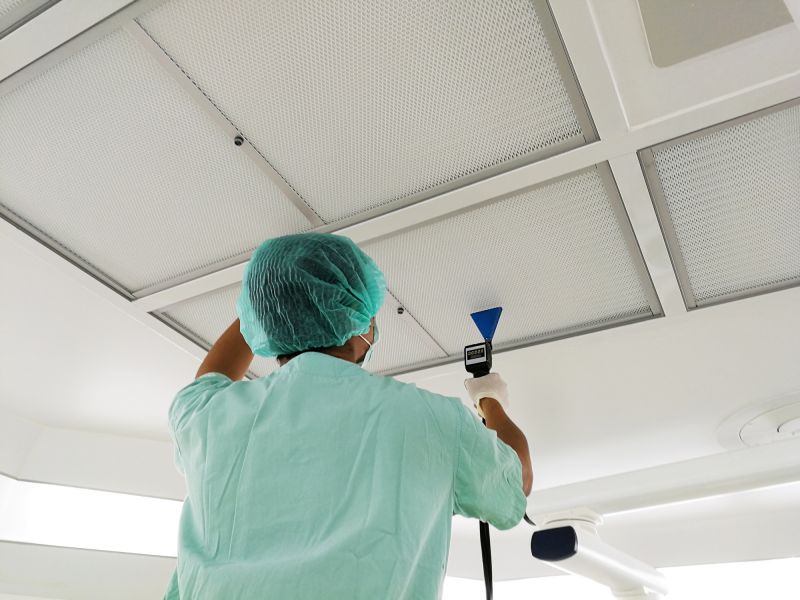

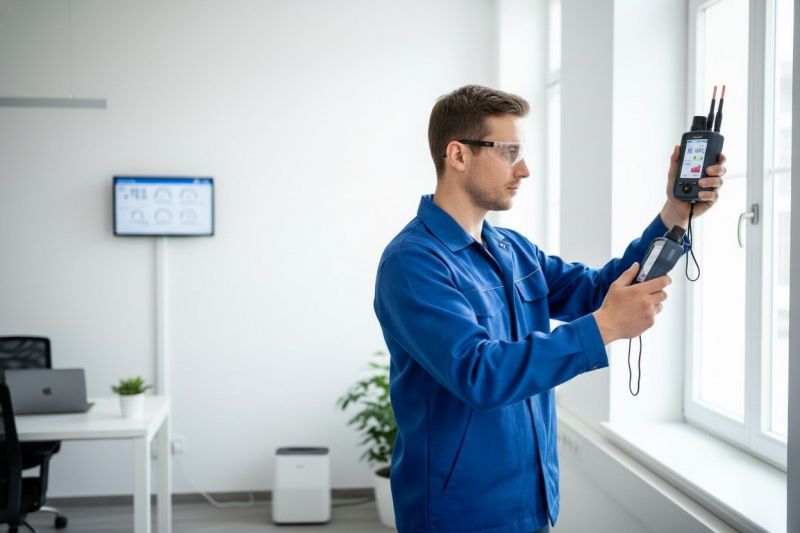
Residential air testing services involve evaluating indoor air quality to identify potential issues such as pollutants, allergens, or contaminants. These services typically include sampling the air within a property to assess the presence of substances like mold spores, volatile organic compounds (VOCs), dust, and other airborne particles. The testing process often employs specialized equipment to gather accurate data, which is then analyzed to determine if indoor air quality meets healthy standards. Property owners seeking a comprehensive understanding of their indoor environment may opt for these services to ensure a safe and healthy living space.
Air testing can help address a variety of problems that impact indoor air quality. Common concerns include persistent odors, allergy or asthma symptoms, unexplained respiratory issues, or the presence of mold growth. By identifying specific airborne contaminants, residents can take targeted steps to improve air quality and reduce health risks. Testing can also reveal hidden issues such as mold behind walls or in HVAC systems, which might not be visible but can significantly affect indoor air. This proactive approach supports maintaining a healthier living environment and can be especially important during or after renovations, water damage, or if there are ongoing ventilation concerns.
Properties that typically utilize residential air testing services include single-family homes, condominiums, apartment complexes, and multi-unit residential buildings. These services are often sought after when there are concerns about mold growth, musty odors, or signs of moisture intrusion. They are also valuable in properties undergoing renovations or those with recent water damage, where airborne pollutants may have increased. Additionally, homes with occupants experiencing allergy or respiratory issues may benefit from testing to identify potential airborne triggers and improve overall indoor air quality.
Engaging with local professionals for residential air testing ensures that property owners receive accurate assessments tailored to their specific indoor environments. These specialists use industry-standard techniques to detect and measure airborne substances, providing insights that can guide effective remediation or improvement strategies. Whether addressing existing health concerns or seeking to prevent future issues, connecting with experienced service providers can help maintain a safe and comfortable home environment.
The overview below groups typical Residential Air Testing projects into broad ranges so you can see how smaller, mid-sized, and larger jobs often compare in Dedham, MA.
In many markets, a large share of routine jobs stays in the lower and middle ranges, while only a smaller percentage of projects moves into the highest bands when the work is more complex or site conditions are harder than average.
Initial Testing - The cost for basic residential air testing typically ranges from $150 to $400. This includes standard assessments to identify common airborne contaminants or mold presence in a home. Prices may vary depending on the size of the property and testing complexity.
Advanced Air Quality Analysis - More comprehensive testing services can cost between $400 and $1,000. These tests often involve detailed sampling and laboratory analysis for specific pollutants or allergens. Larger or multi-story homes may incur higher fees.
Post-Remediation Testing - After air quality improvements, testing usually costs from $200 to $600. This ensures that contaminants have been effectively reduced and indoor air quality meets desired standards. The scope of testing influences the final price.
Ongoing Monitoring Services - Continuous or periodic air testing services can range from $50 to $200 per visit. These services help maintain optimal indoor air quality over time, with costs depending on the frequency and type of tests performed.
Actual totals will depend on details like access to the work area, the scope of the project, and the materials selected, so use these as general starting points rather than exact figures.
Residential Air Testing services help identify indoor air quality issues that could affect health and comfort in homes. Local providers offer testing to detect pollutants, allergens, and other airborne contaminants.
HVAC System Testing involves evaluating the performance of heating and cooling systems to ensure proper airflow and filtration, which can impact indoor air quality.
Ventilation Assessment services analyze existing ventilation systems to determine their effectiveness and recommend improvements for better air circulation.
Mold and Mildew Testing helps detect the presence of mold spores and moisture issues that may contribute to indoor air problems in residential settings.
Radon Testing is performed to measure radon levels within homes, providing data to address potential health risks associated with this radioactive gas.
Air Quality Monitoring services continuously assess indoor air conditions, offering insights into pollutant levels and system performance for residential environments.
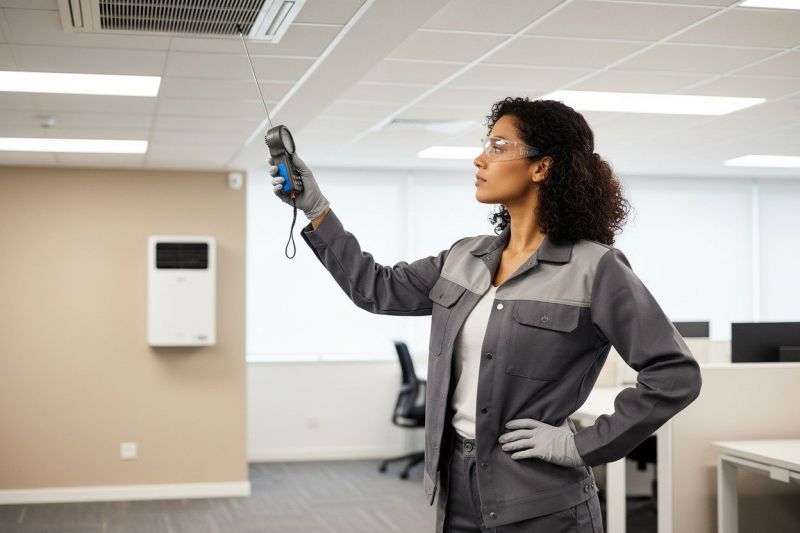
When selecting a residential air testing service, it’s important to consider the experience and expertise of the local providers. Homeowners should look for professionals who have a proven track record in conducting thorough and accurate air quality assessments. Experienced service providers are more likely to understand the complexities of indoor air issues and use effective testing methods, which can contribute to more reliable results. Gathering information about a provider’s background can help ensure that the testing is performed with competence and attention to detail.
Clear and detailed written expectations are essential when working with local air testing professionals. Reputable providers should be able to outline the scope of the testing process, what homeowners can expect during the service, and any follow-up steps. Having well-defined expectations helps prevent misunderstandings and ensures that all parties are aligned on the purpose and procedures of the testing. Homeowners are encouraged to request this information upfront to facilitate a smooth and transparent experience.
Reputation and communication are key factors when comparing local air testing options. Service providers with a solid reputation often have a history of satisfied clients and positive references within the community. Effective communication, including responsiveness and clarity in explaining findings and recommendations, can significantly enhance the overall experience. Homeowners should seek providers who are approachable, transparent, and willing to answer questions thoroughly, fostering confidence in the testing process and the reliability of the results.
Property owners in Dedham, MA use Residential Air Testing services for practical projects around their homes and businesses. The sections below highlight everyday jobs and straightforward project options.
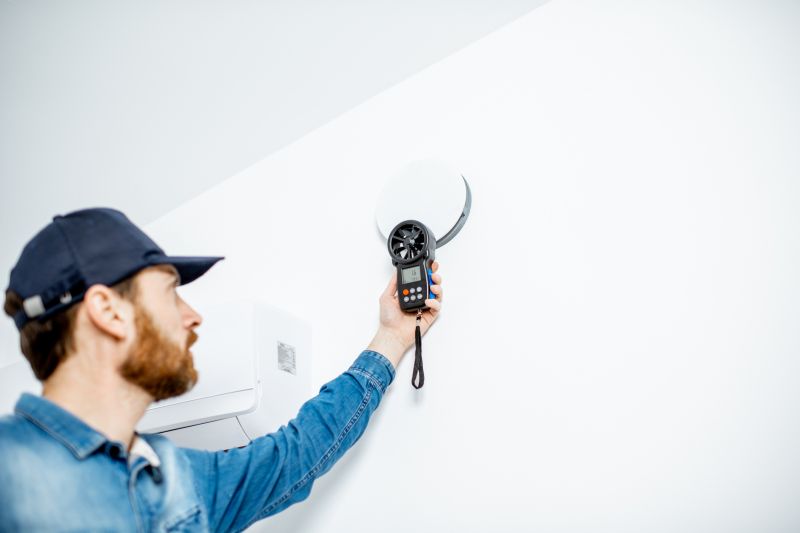
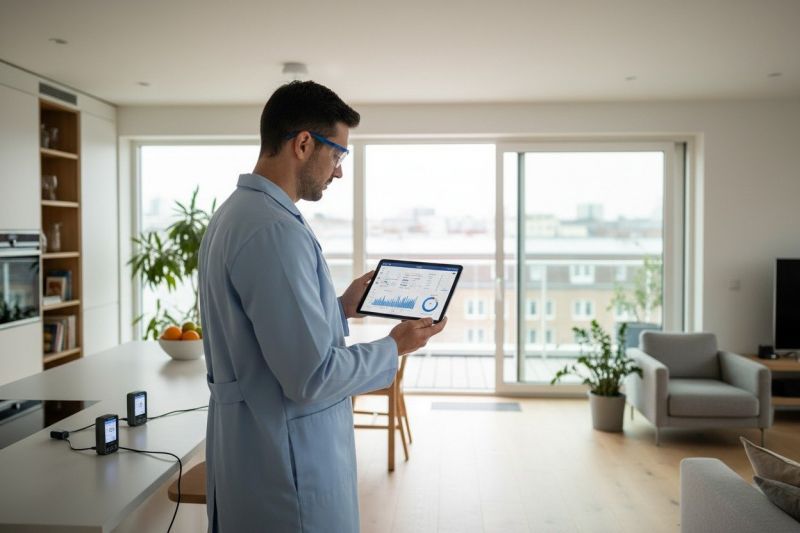
Residential air testing services are commonly sought by property owners in Dedham, MA, who want to ensure their indoor air quality is safe and healthy. These tests can help identify issues such as mold spores, allergens, or airborne pollutants that may be affecting residents’ comfort or health. Homeowners might consider air testing when experiencing unexplained allergies, respiratory problems, or after renovations to verify that indoor air remains safe to breathe.
Additionally, property owners may look for air testing services when preparing to sell a home or address concerns raised during inspections. Detecting potential air quality problems early can facilitate necessary remediation and improve the overall living environment. Local service providers can assist with comprehensive testing to help Dedham residents maintain a clean and healthy indoor atmosphere.
What is residential air testing? Residential air testing involves evaluating indoor air quality by measuring pollutants, allergens, and contaminants to ensure a healthy living environment.
Why should homeowners consider air testing? Air testing can identify potential indoor air quality issues, such as mold or airborne allergens, helping homeowners address problems proactively.
How is residential air testing performed? Local service providers typically use specialized equipment to collect air samples, which are then analyzed to detect various airborne substances.
How often should air testing be done in a home? The frequency of air testing depends on individual concerns or previous issues; consulting a local professional can help determine an appropriate schedule.
Can residential air testing detect mold? Yes, air testing can identify the presence of mold spores and other allergens in indoor air, assisting in diagnosing mold-related concerns.
Indoor Air Quality Testing - Professionals can assess indoor air quality to identify potential pollutants and allergens affecting residential environments.
Radon Testing Services - Local specialists offer radon testing to help detect and measure radon levels inside homes, ensuring safety and compliance.
Mold and Mildew Testing - Experts can detect mold and mildew presence that may impact air quality and overall household health.
Ventilation System Evaluation - Service providers can evaluate existing ventilation systems to improve airflow and reduce airborne contaminants.
Considering Residential Air Testing for a property in Dedham, MA? The sections above highlight common project types, practical options, and details that often shape the scope of work.
When you are ready, use the quote form to share a few details about your project. Local pros can review the basics and respond with options that match what you have in mind.